


Best Light Gun for Arcade Cabinet: 2026 Guide
Table of Contents
Tracking Tech: How Modern Light Guns Work on LCD and OLED
Camera vs. Infrared: Which Tracking System Wins for Your Cabinet
Retro Shooter Light Gun Setup: Step-by-Step Configuration
Recoil, Haptics, and Immersion: What Actually Matters
Custom Light Gun Shells and Mods: Transform Your Hardware
Best Light Gun Games for MAME and Emulator Front-Ends
Troubleshooting Tracking Issues and Input Lag
Conclusion: Choosing the Best Light Gun for Arcade Cabinet Builds
Frequently Asked Questions
Last Updated: September 23, 2026
Tracking Tech: How Modern Light Guns Work on LCD and OLED
Finding the best light gun for arcade cabinet builds in 2026 means understanding one fundamental shift: the technology no longer depends on bulky CRT televisions. This guide from Tcarterdesigns breaks down how camera-based and infrared tracking systems work, which one suits your cabinet, and how to configure everything for reliable precision aiming.
Modern light guns work by using either a camera or infrared sensors to track where you point the barrel, then translating that position into cursor movement on screen. Unlike the CRT-dependent guns of the 1990s, these systems function on any LCD, LED, or OLED display.
Camera-based tracking uses a small camera in the gun's nose to read patterns or borders displayed on screen. Infrared tracking relies on a sensor bar or LED array that the gun detects. Both approaches solve the same problem: giving you accurate aim without a cathode-ray tube.
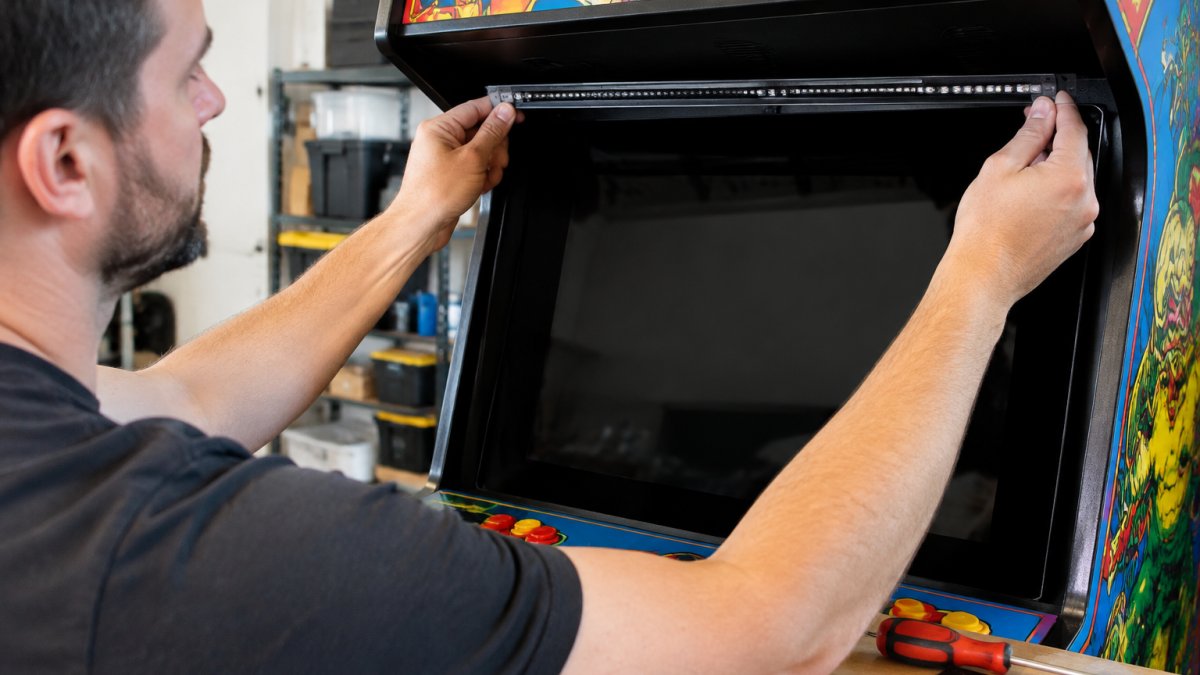
The practical difference matters for cabinet builders. Camera systems often need a visible border or calibration pattern on screen, which can interfere with full-screen gameplay. Infrared systems typically require dedicated emitters mounted near the display.
Pro Tip A common mistake is buying a gun before measuring your cabinet's display bezel. Camera-based systems need clearance around the screen edge for the tracking pattern to register. If your cabinet has a tight bezel, infrared tracking is the safer bet.
Camera vs. Infrared: Which Tracking System Wins for Your Cabinet
For most home arcade cabinets with standard bezels, infrared tracking wins on reliability and setup simplicity. Camera-based systems excel when you want minimal hardware mounted around your display.
Here's how the two compare:
Feature | Camera-Based | Infrared |
Display compatibility | LCD, LED, OLED | LCD, LED, OLED |
Setup complexity | Moderate | Low |
Calibration needed | Yes, per game sometimes | Yes, one-time |
Latency | Low | Very low |
Best for | Minimal hardware setups | Consistent accuracy |
Infrared tracking generally delivers lower input lag because the gun reads fixed emitters rather than processing screen patterns. Camera systems can struggle with refresh rate mismatches on some displays.
That said, camera-based guns shine when you cannot mount a sensor bar. If your cabinet design leaves no room for emitters, a camera system keeps things clean.
Retro Shooter Light Gun Setup: Step-by-Step Configuration
Setting up a Retro Shooter light gun takes about 20-30 minutes for a first-time install. The process involves connecting the USB interface, calibrating the gun to your display, and mapping controls in your emulator.
Best way to play lightgun games in 2026!
Joey's Retro Handhelds
Here's the typical workflow:
Connect the gun's USB receiver to your PC or Raspberry Pi
Power on the gun and let the system detect it as a peripheral
Launch your emulator front-end and run the calibration tool
Aim at the on-screen targets to set the tracking boundaries
Map buttons for trigger, reload, and secondary fire
Test in a shooting game and adjust the dead zone if needed
For MAME specifically, you will need to set the gun as a light gun device in the input settings. Most front-ends detect it automatically, but manual controller mapping is sometimes required.
Watch Out Skipping calibration is the single biggest cause of tracking issues. A gun that worked perfectly yesterday can drift if your display resolution or refresh rate changed. Always recalibrate after any display settings adjustment.
Recoil, Haptics, and Immersion: What Actually Matters
Recoil feedback transforms a light gun from a pointer into something that feels like a real weapon. The mechanism behind this is usually a solenoid that kicks when you pull the trigger, simulating the punch of a fired round.
Not all recoil is equal. Here's what separates good haptic feedback from a gimmick:
Solenoid strength: A weak solenoid feels like a buzz; a strong one feels like a kick
Response time: The recoil should hit the instant you pull the trigger, not a split second later
Adjustability: Some systems let you dial recoil intensity up or down
Durability: Cheap solenoids wear out; arcade-grade shells handle thousands of shots
Haptic feedback beyond recoil, like rumble or slide movement, adds immersion but is not essential. The recoil is what sells the experience.
What most guides miss is that recoil weight affects aim. A heavy recoil mechanism shifts the gun in your hand, which means your follow-up shot needs re-aiming. That is realistic, but for high-score chasing, you may want to dial it back.
Custom Light Gun Shells and Mods: Transform Your Hardware

Custom shells let you turn a standard Retro Shooter light gun into a replica of an iconic in-game weapon. Tcarterdesigns specializes in these modifications, offering designs like the Aliens Pulse Rifle and custom shotgun styles that fit Retro Shooter hardware.
The appeal goes beyond looks. A well-designed shell changes how the gun feels in your hand: the weight distribution, the grip angle, the trigger position. That tactile difference matters during long play sessions.
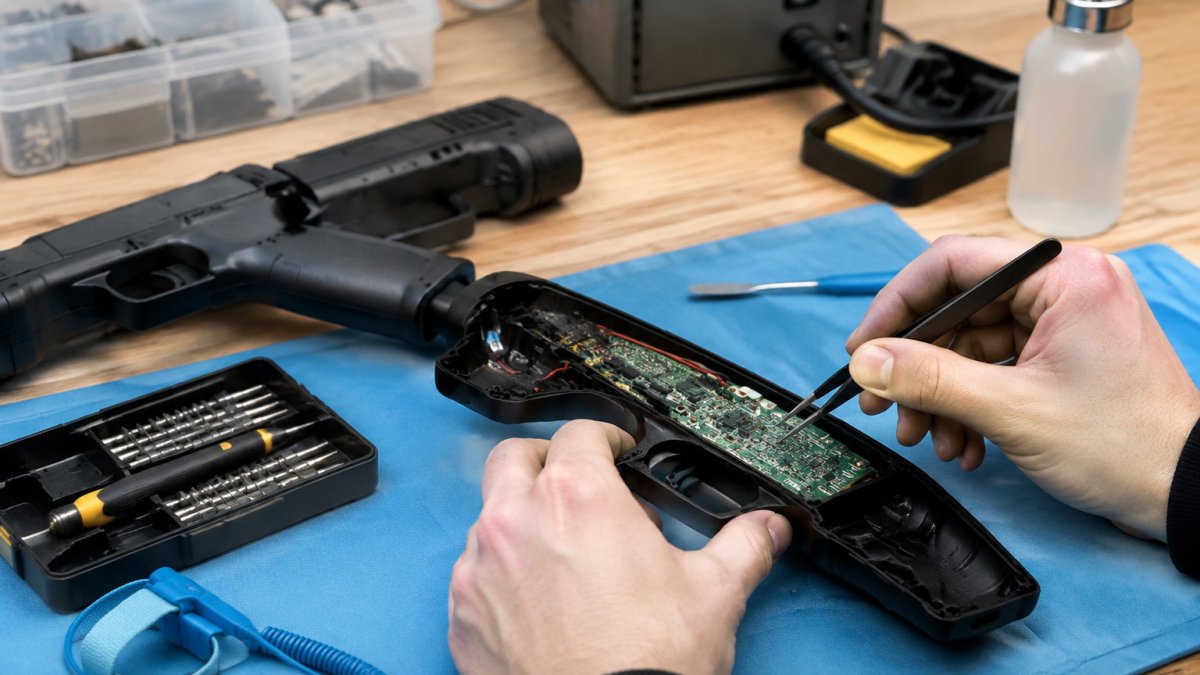
Installation is designed to be straightforward. Most mod kits replace the outer shell while keeping the original electronics intact, so you are not soldering or rewiring anything. The gun's tracking, recoil, and buttons continue to work as before.
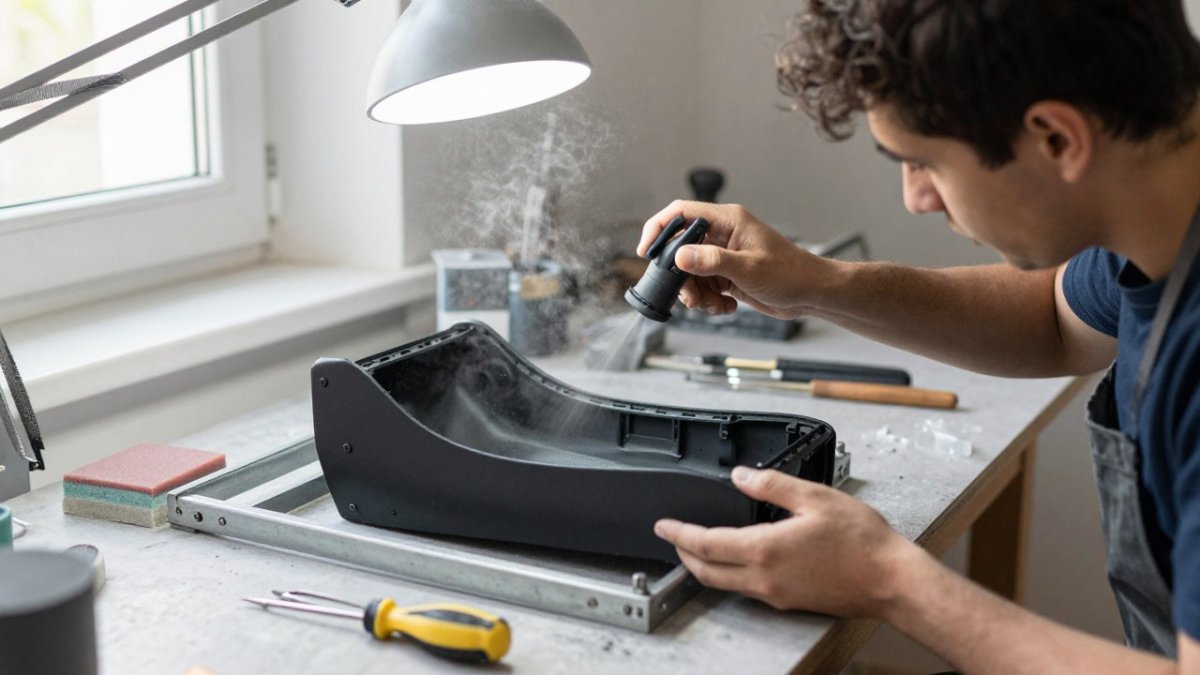
Durability is a fair question. These are display-quality pieces, but they are built to be played with. The shells use materials that hold up to regular use, not just shelf display.
If you are weighing a custom mod against a pre-built replica, consider this: a mod kit lets you keep the hardware you already trust while upgrading the look and feel. Tcarterdesigns kits are made specifically for Retro Shooter guns, so fitment is precise.
Best Light Gun Games for MAME and Emulator Front-Ends
The best light gun games for MAME are the arcade classics that defined the genre: House of the Dead, Time Crisis, Point Blank, and Virtua Cop. These titles were built for light gun play and translate well to modern tracking systems.
For emulator front-ends, compatibility varies. MAME handles most arcade shooters natively. Other front-ends may need per-game configuration for gun input.
Games that work particularly well with modern light guns:
Point Blank series: fast, accurate, ideal for testing precision aiming
Time Crisis: uses pedal mechanics that map well to a secondary button
House of the Dead 2: classic zombie shooting with reload mechanics
Virtua Cop 2: straightforward aiming that suits camera-based tracking
One thing nobody tells you about emulator light gun gaming: aspect ratio matters. If your display stretches a 4:3 game to 16:9, your aim will be off at the edges. Set your front-end to maintain the original aspect ratio for accurate tracking.
Troubleshooting Tracking Issues and Input Lag
Tracking problems usually trace back to three causes: calibration drift, display settings, or USB polling rate. Fixing them is mostly a process of elimination.
If your aim is off-center: Recalibrate. This solves the majority of tracking complaints.
If the cursor jumps or stutters: Check your display's refresh rate. Mismatches between the gun's expected frame rate and your monitor's actual refresh rate cause erratic tracking.
If input lag is noticeable: USB polling rate is often the culprit. A gun polling at a low rate will feel sluggish. Also check that your display is in game mode, since post-processing adds latency.
If tracking fails at screen edges: Your dead zone setting may be too aggressive, or your display size and distance are outside the gun's optimal range.
For display size and distance: most light guns have a sweet spot. Sitting too close or too far from the screen degrades accuracy. A common approach is to position yourself so the entire display fits comfortably within the gun's tracking field.
Key Takeaway The three fixes that resolve most tracking issues: recalibrate, match your refresh rate, and enable game mode on your display. Try these before assuming the hardware is faulty.
Conclusion: Choosing the Best Light Gun for Arcade Cabinet Builds
The best light gun for arcade cabinet builds comes down to your display setup and how much you value customization. Infrared tracking suits most cabinets for its reliability and low latency. Camera-based systems work when you cannot mount emitters.
Whichever system you choose, the hardware is only half the experience.
Frequently Asked Questions
Do light guns work on modern LCD and OLED arcade cabinets?
Yes, modern light guns work on LCD and OLED displays using camera-based or infrared tracking. Camera-based systems like the Sinden use a sensor to detect the screen's light output, while infrared systems rely on a sensor bar. Both require calibration and a compatible display with a decent refresh rate. Avoid older CRT-only guns, as they will not function on flat panels without a converter.
What is the difference between Sinden and Retro Shooter light guns?
Sinden light guns use a camera-based tracking system that works on any screen without a sensor bar, offering high accuracy. Retro Shooter light guns use infrared tracking with a sensor bar, which can be more affordable but requires proper placement. Both support recoil feedback and custom shells.
Are light gun mods worth it for home arcade setups?
Light gun mods improve immersion and aesthetics, especially for collectors who want iconic replicas like pulse rifles or shotguns. They also can enhance grip and durability. For regular play, mods add tactile feedback and personalization. However, if you only play occasionally, a stock gun may suffice. For dedicated arcade cabinet builders, mods are a worthwhile upgrade that transforms standard hardware into a centerpiece.
What software is needed to run light guns on MAME?
You need MAME with a light gun-compatible build, plus a front-end like LaunchBox or Hyperspin for easy game selection. Configure controller mapping in MAME's input settings, and calibrate your gun in the emulator. For camera-based guns, install the manufacturer's driver and calibration tool. Ensure your PC meets hardware requirements, including a USB interface and enough processing power for smooth frame rates.
Building an arcade cabinet that captures the original experience takes more than a working display and a loaded emulator. The gun in your hand decides whether it feels authentic. Tcarterdesigns offers easy-to-install custom shells for Retro Shooter light guns, with designs like the Aliens Pulse Rifle and custom shotguns that transform standard hardware into something you are proud to display and play. Shop the collection and give your cabinet the hardware it deserves.
Shop
Comments