


Buy Custom Arcade Light Gun Shells: 2026 Buyer's Guide
Table of Contents
Why Buy Custom Arcade Light Gun Shells at All
Retro Shooter Light Gun Shells: What Actually Fits
Checking Compatibility Before You Order
3D Printed Light Gun Parts: Materials and Build Quality
The Aliens Pulse Rifle Light Gun Mod Explained
Light Gun Shell Installation: What the Process Looks Like
Common Installation Mistakes to Avoid
Customization Choices, Ordering, and Lead Times
Pricing, Shipping, and Returns: What to Confirm First
Conclusion
Frequently Asked Questions
Last Updated: October 18, 2026
Why Buy Custom Arcade Light Gun Shells at All
A standard light gun works fine. It just doesn't feel like anything. That's the gap custom arcade light gun shells close: they turn a functional plastic controller into a replica you recognize from the arcade floor, without touching the electronics inside. At Tcarterdesigns, we build these shells for Retro Shooter hardware because the tracking tech is already good. The housing is what's missing.
The appeal breaks into three parts. First, aesthetics: a pulse rifle or shotgun silhouette on a wall-mounted rack looks like a collection, not a peripheral. Second, immersion: the weight and grip of a proper shell change how you hold the gun during a session. Third, reversibility: a well-made shell swaps on and off the original hardware, so you aren't committing to anything permanent.
Here's what most buyers get wrong. They order a shell before confirming the mounting pattern on their specific gun. Fit is everything in this niche, and a shell that doesn't seat properly is a paperweight. Below, we'll walk through compatibility, materials, installation, and the ordering details that actually matter.
Retro Shooter Light Gun Shells: What Actually Fits
Compatibility is the first question and the one that sinks the most orders. Custom arcade light gun shells are not universal. A shell printed for one Retro Shooter model will not necessarily mount on another, and Sinden-based guns use different housings again.
The safe approach is to match by model, not by photo. Before ordering, confirm three things: the exact gun model you own, the mounting points the shell uses, and whether the shell replaces the entire housing or clamps over it. A shell that clamps over the original body is the easiest to live with because nothing inside the gun moves.
Checking Compatibility Before You Order
Ask the seller one direct question: "Which specific gun model was this shell designed around?" If the answer is vague, walk away. Reputable makers design around a named model and can tell you what changes between versions. We publish the intended Retro Shooter model for each design for exactly this reason.
Also check the lens area. On camera-tracking guns like Sinden setups, the lens and its surrounding bezel must stay unobstructed. A shell that crowds the lens will hurt tracking, and no amount of visual appeal makes up for a gun that misses shots.
Watch Out Ordering a shell based on a product photo alone is the most common mistake in this category. Two guns can look identical in a listing and still have different screw positions or body seams. Confirm the model in writing before you pay.
3D Printed Light Gun Parts: Materials and Build Quality
Most custom shells on the market are 3D printed, and that's not a downside if the maker chooses the right material and prints it properly.
PLA is rigid and holds fine detail well. It's the easier material to print cleanly, which makes it common for display pieces and light-use shells.
What separates a good print from a bad one isn't the filament label. It's wall thickness, infill, and how the parts are oriented on the print bed. A shell with thin walls will flex at the grip and eventually crack at the seam.
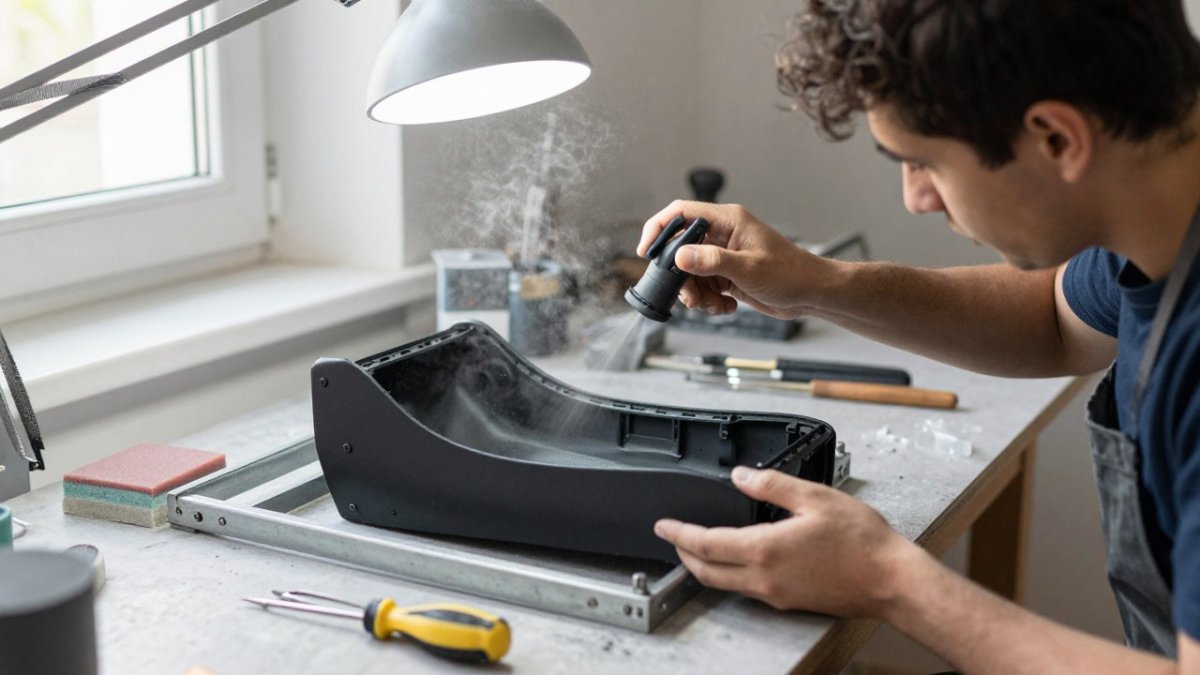
Ask about finish, too. Printed parts can be sanded, primed, and painted, or left with a visible layer texture. Both are legitimate; they just suit different buyers.
Durability comes down to how the shell is used. A gun that lives on a shelf will outlast one that gets weekly sessions. For regular play, prioritize thicker walls and a material that resists impact over a mirror-smooth finish.

Key Takeaway For a play gun, choose PETG with thick walls and accept a textured finish. For a display piece, PLA with a proper sand-and-paint finish looks sharper but is less forgiving of heat and impact.
The Aliens Pulse Rifle Light Gun Mod Explained
The Aliens Pulse Rifle light gun mod is the design that pulls most people into this hobby. It takes a standard light gun and rehouses it in a shell modeled on the movie weapon, complete with the distinctive shroud and counter silhouette. The electronics stay the same; only the body changes.
What makes it work as a mod rather than a prop is that it stays playable. The trigger mechanism lines up, the lens stays clear, and the weight distribution stays balanced enough to aim. A pure replica would look right and play badly. The point of a mod is that it does both.
Expect the pulse rifle style to be the more involved build. It has more separate parts, more seams, and a longer silhouette, so installation takes a little more care than a simple shotgun shell swap. The payoff is the piece everyone notices on the rack.
Pro Tip If you're choosing your first mod, start with a shotgun-style shell. Fewer parts, simpler mounting, and it teaches you how the gun comes apart before you tackle a multi-piece pulse rifle build.
Light Gun Shell Installation: What the Process Looks Like
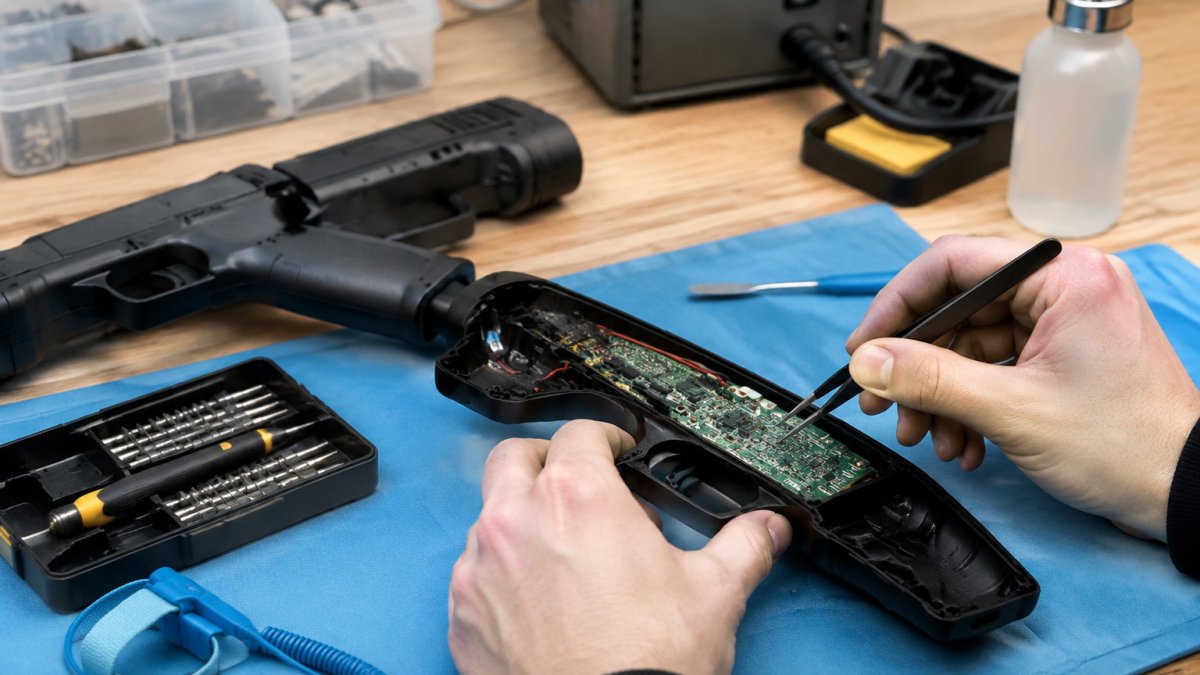
Installation is simpler than most buyers expect, but it is not toolless. The process follows the same pattern across designs: separate the original housing, transfer or expose the internals, seat the new shell, and secure the mounting points.
Here's the sequence we recommend:
Photograph the gun before you touch anything, so you have a reference for reassembly.
Remove the original housing screws and set them aside in a tray.
Lift the internals out gently, keeping the lens and wiring clear of the work surface.
Test-fit the new shell before securing anything.
Fasten the mounting points finger-tight first, then snug them down.
Reconnect and power on before final assembly, so you catch a loose connection early.
Common Installation Mistakes to Avoid
Over-tightening is the expensive one. Printed parts have less give than injection-molded plastic, so snug is enough. If a shell won't seat, stop. Forcing it usually means a mounting point is misaligned or you have the wrong model, and pressure will damage the shell or the gun. Finally, always power on before you close everything up. Tracking a loose connection after full assembly means taking it apart twice.
Customization Choices, Ordering, and Lead Times
Customization is where this category earns its name, and it's also where buyers have the most questions. The choices typically come down to finish, color, and small design details like grip texture or added accessory mounts.
The customization workflow usually follows a predictable path. First, you pick a base design, a shotgun style, a pulse rifle style, or another silhouette the maker offers. Second, you choose a finish and color.
If you're ordering a custom or made-to-order piece, ask how design approval works. Some makers send a render or a photo of the printed part before shipping; others produce directly from the listing. Knowing which model you're in tells you how much control you have over the final result.
Printed-to-order has a tradeoff worth understanding. It gives you more choice, but it adds lead time. If you're building an arcade cabinet and working to a timeline, confirm the production window before you order, not after.
When you order, confirm four things:
The exact gun model the shell is designed for
The finish and color you're getting
The estimated production and shipping window
The returns policy for custom or made-to-order items
That last point matters more than most buyers realize. Custom and made-to-order pieces often carry different return terms than stock items, and that's reasonable given they're produced for you. Read the policy before ordering so there are no surprises.
Pro Tip Before you order a custom shell, ask the maker two questions in writing: which gun model the design was built around, and what the estimated ship date is. The answers tell you more about the seller than any product photo.
Pricing, Shipping, and Returns: What to Confirm First
Pricing for custom arcade light gun shells varies by design complexity, material, and finish, so we don't publish a single figure that would mislead you. A simple shotgun-style shell and a multi-part pulse rifle build are different jobs. Check the current listing on our site for the exact price of each design, and factor shipping and any finishing options into your total.
Shipping depends on where you are and whether the piece is printed to order. Made-to-order items ship after production, so the delivery estimate includes both the build and the transit time. If you're on a deadline, order early and confirm the window.
Returns are the detail to read carefully. Custom and personalized items are often excluded from standard returns because they can't be resold. Confirm the policy before checkout, and if a shell arrives damaged or doesn't fit the model it was sold for, contact the seller right away with photos. Good makers stand behind fit and workmanship.
Conclusion
The hardest part of buying custom arcade light gun shells isn't finding a design you like. It's confirming fit, material, and lead time before you commit, because a beautiful shell that doesn't seat is worthless. Get those three right and the rest is straightforward.
That's the problem Tcarterdesigns was built to solve. We make easy-to-install modification kits designed around Retro Shooter hardware, with transformative designs including shotgun and pulse rifle styles, so you can turn a standard gun into a replica you're proud to display and happy to play with. Shop the current designs and confirm your model before you order.
Frequently Asked Questions
Where can I buy custom arcade light gun shells?
Specialist makers are the main route. Tcarterdesigns sells custom light gun mods built for Retro Shooter hardware, including shotgun and pulse rifle styles, and its site is the place to check current designs, options, and availability. General retailers and marketplace listings mostly carry complete light guns rather than shell-only parts, so read the listing carefully to confirm whether you are getting a full gun or a shell kit. Before ordering, confirm the shell is made for your exact light gun model, since fit varies between hardware generations.
Can I install a custom shell on a Retro Shooter light gun?
Yes, provided the shell is designed for your Retro Shooter model. Kits from Tcarterdesigns are made specifically for Retro Shooter light guns and are described as easy to install, which usually means swapping the outer housing rather than soldering. Check the product listing for the exact model it supports, follow the maker's instructions, and keep your original shell so you can revert if something does not sit right. If you are unsure about the electronics, ask the maker before you start.
Can a custom shell affect light gun tracking or gameplay?
It can if the shell blocks or shadows the camera or sensor area. Sinden-style guns rely on camera tracking, so anything covering the lens or changing the gun's front profile can interfere. A well-designed shell keeps the sensor window clear and does not add weight that throws off aim. Before buying, ask the maker whether the shell has been tested on your model, and test tracking after installation. If accuracy drops, check that the lens opening is unobstructed and the shell is fully seated.
Are replica light gun shells functional or just for display?
The good ones are functional. A shell is a replacement housing, so the electronics, tracking, and buttons stay inside and the gun still plays. Display-only props usually have no room for hardware and no mounting points. When you buy, look for listings that name the light gun model they fit and mention installation, since those are built to be played with. If a listing only shows the shell from the outside and never mentions fit, treat it as decor until the seller confirms otherwise.
What should I check before buying a 3D-printed light gun shell?
Confirm four things: the exact light gun model and generation it fits, what is included in the kit, how it attaches, and the maker's lead time and returns policy. Ask about material and finish too, since printed parts vary in how they feel and wear. Request real customer photos or video if the listing only has renders. Because custom and made-to-order items often have different return terms than stock products, get the policy in writing before you pay.
Shop
Comments